Discover the Conveniences of a Sprinkler System for Your Garden's Health and wellness and Beauty
A sprinkler system uses countless advantages for maintaining a healthy and balanced and lovely garden. It ensures regular hydration, which is necessary for plant growth. Furthermore, these systems save time and minimize manual labor. With adjustable sprinkling timetables, they can meet the certain requirements of different plants. Therefore, gardens not only flourish but additionally gain improved aesthetic charm. Exploring these benefits exposes how such a system can transform any kind of outside space.
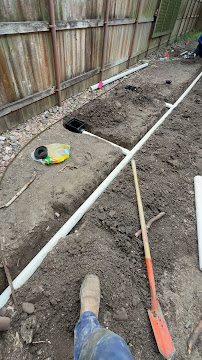
Consistent Hydration for Optimum Growth
When plants get consistent hydration, they thrive, resulting in vibrant and lush landscapes. A well-designed sprinkler system system assures that yards receive the right amount of water at the suitable times, advertising excellent development. This system supplies dampness evenly across the whole area, avoiding the completely dry patches that usually result from hand-operated watering.
By preserving regular soil moisture, plants develop stronger origin systems, which enhances their general wellness and strength. Additionally, adequate hydration encourages flowering and fruiting, adding to a much more visually attractive garden.
A lawn sprinkler can adjust to numerous climate problems, readjusting sprinkling routines based upon rainfall and temperature, guaranteeing plants get needed hydration without extra. This accuracy not just supports plant health and wellness but additionally decreases the threat of conditions connected with overwatering. Ultimately, regular hydration through an effective lawn sprinkler system cultivates a thriving setting for landscapes and yards to flourish perfectly.
Time and Labor Savings
 Efficient yard sprinkler systems not just advertise regular hydration yet likewise significantly minimize the moment and labor needed for landscape upkeep. Typical watering approaches usually require significant manual initiative, including dragging hose pipes and keeping track of sprinkling routines. On the other hand, automated sprinkler systems can be set to operate at optimal times, enabling homeowners to concentrate on various other tasks or enjoy recreation activities.
With the capacity to cover expansive locations consistently, these systems get rid of the requirement for repetitive hands-on watering, which can be both taxing and tiresome. Additionally, the precision of modern-day sprinkler innovation ensures that every edge of the garden obtains adequate dampness without the danger of overwatering.
As a result, home owners experience an extra reliable horticulture routine, maximizing useful time that can be redirected towards various other landscaping tasks or personal searches. Eventually, a sprinkler system system improves yard care while boosting the overall visual charm of exterior areas.
Water Preservation and Effectiveness
About 70% of domestic water use is dedicated to outside watering, making water conservation an important factor to consider for property owners. Grass sprinkler systems can considerably improve water performance by supplying accurate quantities of water directly to the roots of plants. These systems usually feature sophisticated technologies such as dirt wetness sensing units and rain shut-off devices, which stop overwatering and lower waste.
By utilizing drip irrigation or micro-sprinklers, house owners can target certain locations of their yard, ensuring that water is used only where it is needed most (sprinkler repair and service). This targeted method not only conserves water but also promotes healthier plant development by preventing waterlogged soil and minimizing evaporation losses
Including a lawn sprinkler system permits home owners to keep lavish, attractive yards while exercising accountable water usage, ultimately contributing to ecological sustainability and lowering energy expenses. This dual benefit makes lawn sprinkler systems an irrigation maintenance essential financial investment for diligent gardeners.
Adjustable Watering Timetables
Adjustable watering schedules make it possible for home owners to tailor irrigation to the details requirements of their gardens, making certain suitable plant health and wellness and source management. With a lawn sprinkler system, customers can configure watering durations, times, and frequencies based upon aspects such as plant kind, soil problems, and seasonal climate modifications. This flexibility permits for reliable watering techniques that promote healthy and balanced development and decrease water waste.
Homeowners can change schedules for various areas within their gardens, suiting diverse plant requirements. Areas with sun-loving plants might require even more frequent watering contrasted to shaded regions. Furthermore, these schedules can be customized in response to rains, minimizing unneeded irrigation and preserving resources.
As an outcome, adjustable sprinkling schedules not only boost the efficiency of irrigation however also empower house owners to keep successful bunnings gear drive sprinkler and vibrant Continued gardens while promoting sustainable water usage. This versatility makes sprinkler system systems an important tool for contemporary horticulture.
Improved Aesthetic Charm of Your Garden
While a well-kept garden commonly relies upon persistent care, the setup of a grass sprinkler system substantially enhances its aesthetic charm. These systems offer uniform watering, ensuring that every square inch of the yard obtains the correct amount of wetness. This regular hydration advertises vibrant colors in flowers and lush greenery, creating a visually striking landscape.
Furthermore, a sprinkler system system gets rid of the undesirable presence of hoses and sprinkling cans, enabling a cleaner, more organized outdoor room. Homeowners can enjoy the charm of their gardens without the clutter of manual watering equipment.
Moreover, automated watering schedules assure that yards are constantly in peak problem, no matter weather. This integrity better boosts the general appearance, as plants continue to be thriving and healthy and balanced. Ultimately, a grass sprinkler system transforms a regular yard right into a remarkable aesthetic masterpiece, boosting both its appeal and the enjoyment it offers property owners and site visitors alike.
Regularly Asked Questions
Just how much Does a Sprinkler System System Normally Cost?
A yard sprinkler system typically costs between $1,500 and $3,500 for installment, depending upon the dimension of the yard and system intricacy. Upkeep prices can add an extra yearly expense to take right into account.
Can I Install a Lawn Sprinkler Myself?
Yes, a person can mount a sprinkler system themselves, supplied they possess standard pipes skills and comply with installment guidelines. Professional help may assure ideal style and capability for far better long-term results and performance.
What Maintenance Is Required for a Lawn Sprinkler?
Regular maintenance for a lawn sprinkler includes checking for leaks, changing spray patterns, cleansing filters, checking water stress, winterizing in cooler months, and screening timers and sensing units to assure peak efficiency throughout the year.
Exist Eco-Friendly Sprinkler System Options Available?
Yes, environmentally friendly automatic sprinkler options exist, consisting of drip watering and rainwater harvesting systems. These alternatives promote effective water use, reduce waste, and support lasting gardening practices, benefiting both the atmosphere and the garden at the same time.
The Length Of Time Does Installation Usually Take?
Installation normally takes one to 3 days, relying on the system dimension and intricacy. Factors such as site preparation and weather can influence the timeframe, but many installations are finished efficiently by professionals.
A properly designed grass sprinkler system assures that yards get the ideal quantity of water at the proper times, promoting optimal growth. Yard lawn sprinkler systems can greatly enhance water efficiency by delivering precise quantities of water straight to the origins of plants. Including a yard sprinkler system permits home owners to preserve rich, stunning gardens while exercising responsible water use, inevitably contributing to ecological sustainability and reducing energy costs (Fast sprinkler repair). A yard sprinkler system generally sets you back between $1,500 and $3,500 for setup, depending on the size of the backyard and system complexity. Yes, environmentally friendly sprinkler system options exist, consisting of drip irrigation and rainwater harvesting systems